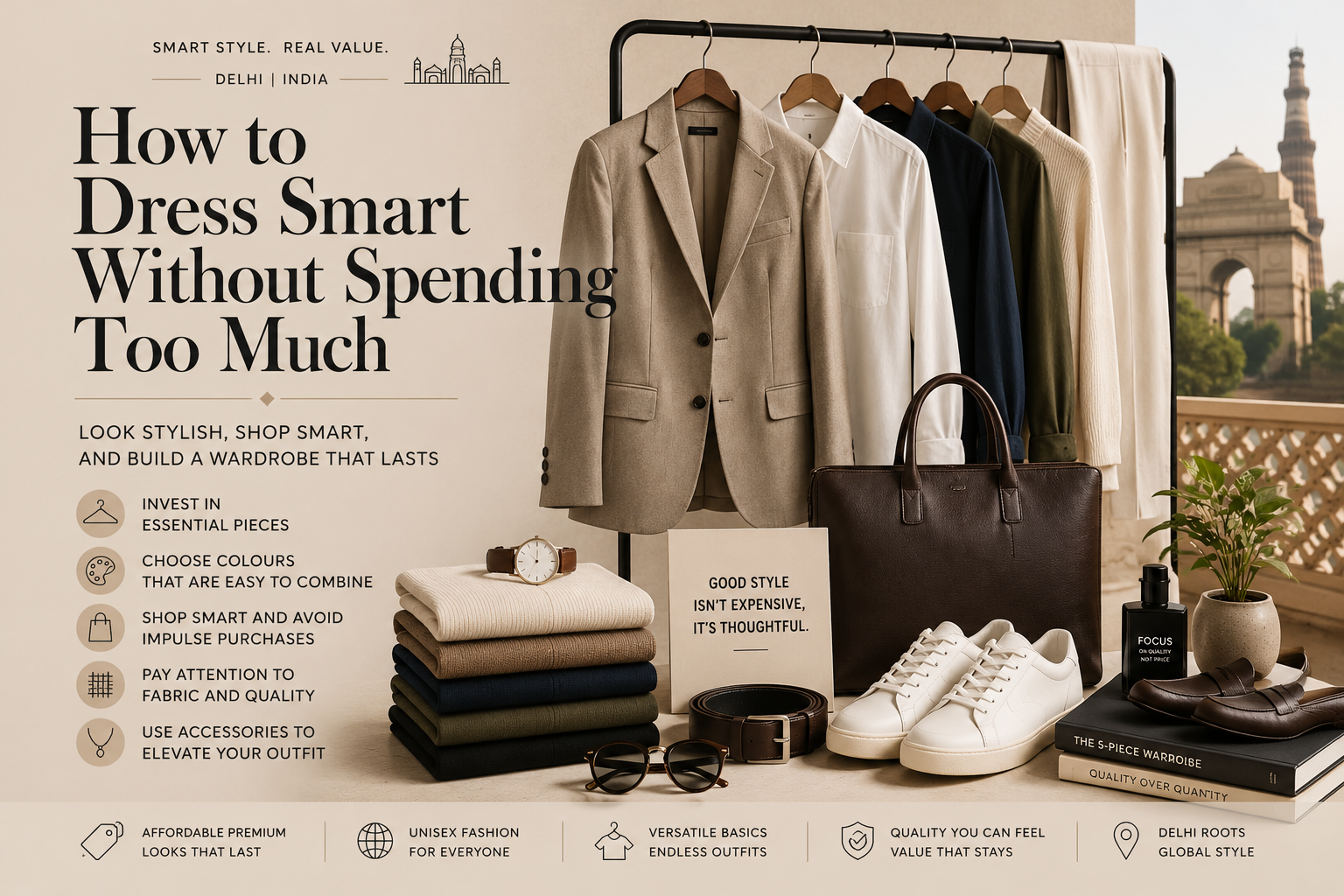
Looking stylish doesn’t always mean spending a fortune on clothes. A well-dressed person is not necessarily someone who owns expensive brands or follows every fashion trend. Instead, good style comes from choosing the right clothes, understanding how they fit, combining colours effectively, and making smart shopping decisions.
With a little planning and creativity, you can build a wardrobe that looks premium, feels comfortable, and suits your everyday lifestyle without putting unnecessary pressure on your budget.
1. Focus on Fit Rather Than Price
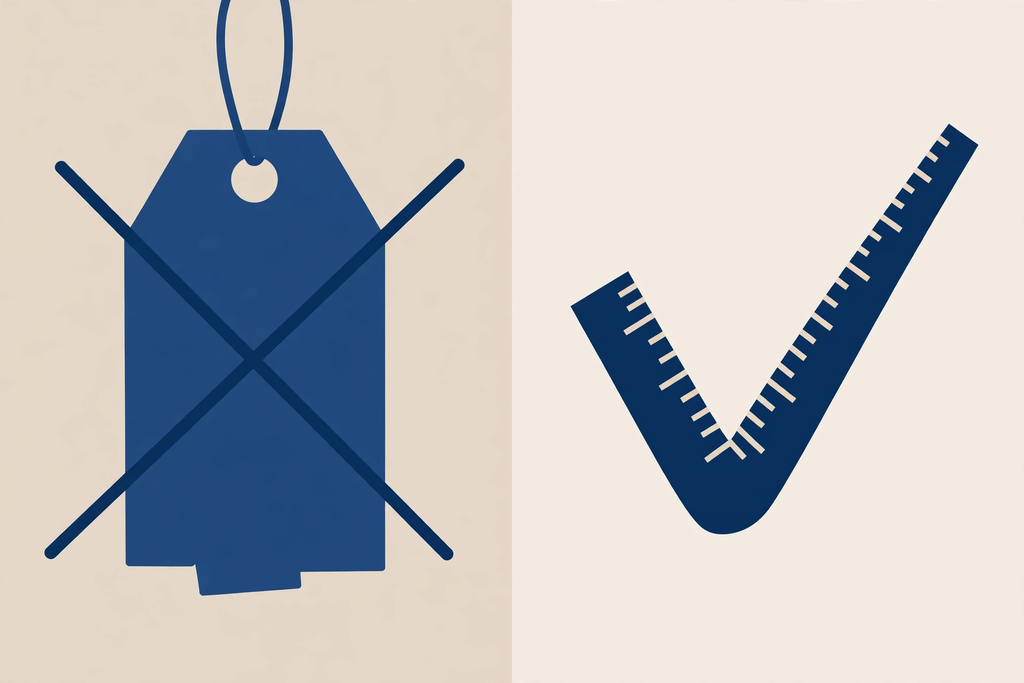
One of the biggest secrets to dressing smart is wearing clothes that fit properly. Even an inexpensive outfit can look stylish when it fits your body well, while expensive clothing may look unflattering if the fit is incorrect.
Choose shirts that sit comfortably on your shoulders, trousers that have the right length, and T-shirts that neither feel excessively tight nor overly loose unless oversized styling is your intention.
A good fit creates a neat, balanced appearance and makes your outfit look more polished.
2. Invest in Essential Pieces
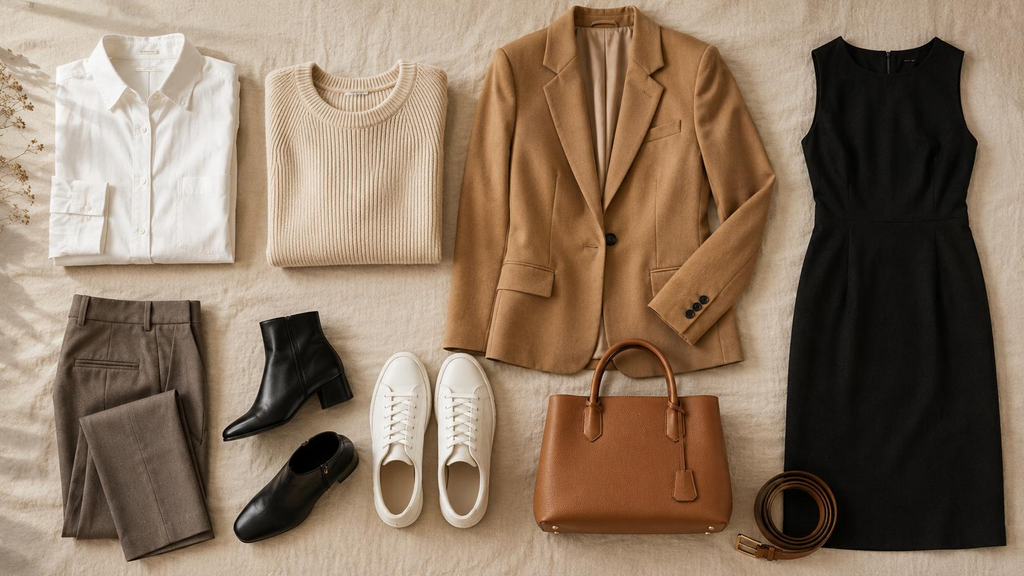
Instead of buying multiple trendy items that you may wear only a few times, focus on clothing essentials that remain useful throughout the year.
Some versatile wardrobe staples include:
- Plain white, black and neutral-coloured T-shirts
- Well-fitted jeans
- Classic shirts
- Comfortable trousers
- A versatile jacket
- Clean sneakers
- Simple accessories
These pieces can be combined in different ways, allowing you to create several outfits without constantly purchasing new clothes.
3. Choose Colours That Are Easy to Combine
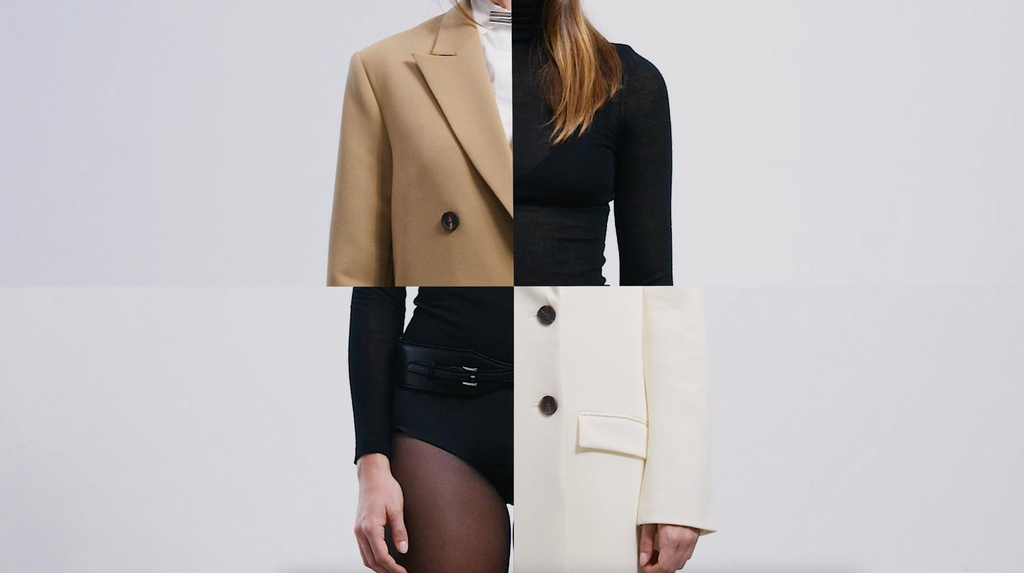
A wardrobe built around versatile colours makes outfit planning much easier. Neutral shades such as black, white, navy blue, beige, grey and olive work well with many other colours.
For example, a white T-shirt can be paired with blue jeans, black trousers or beige chinos. Similarly, a neutral shirt can be styled with different bottoms for casual, smart-casual or semi-formal occasions.
Choosing complementary colours helps you maximise the use of every clothing item you own.
4. Shop Smart and Avoid Impulse Purchases
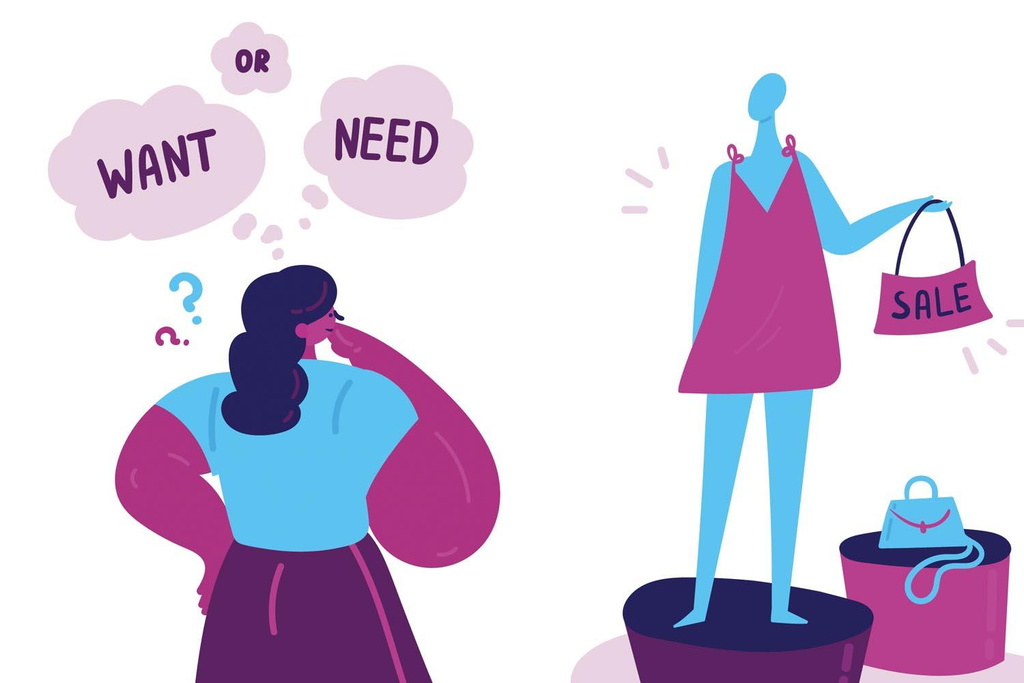
Shopping without a plan often leads to buying clothes that look attractive in the store but rarely get worn.
Before purchasing anything, ask yourself three questions:
- Does this item fit my personal style?
- Can I wear it with at least three items I already own?
- Is it comfortable and suitable for my lifestyle?
Look for seasonal sales, discounts and value-for-money collections, but don’t buy something simply because it is inexpensive. A useful, well-made item is often a better investment than several low-quality purchases.
5. Pay Attention to Fabric and Quality
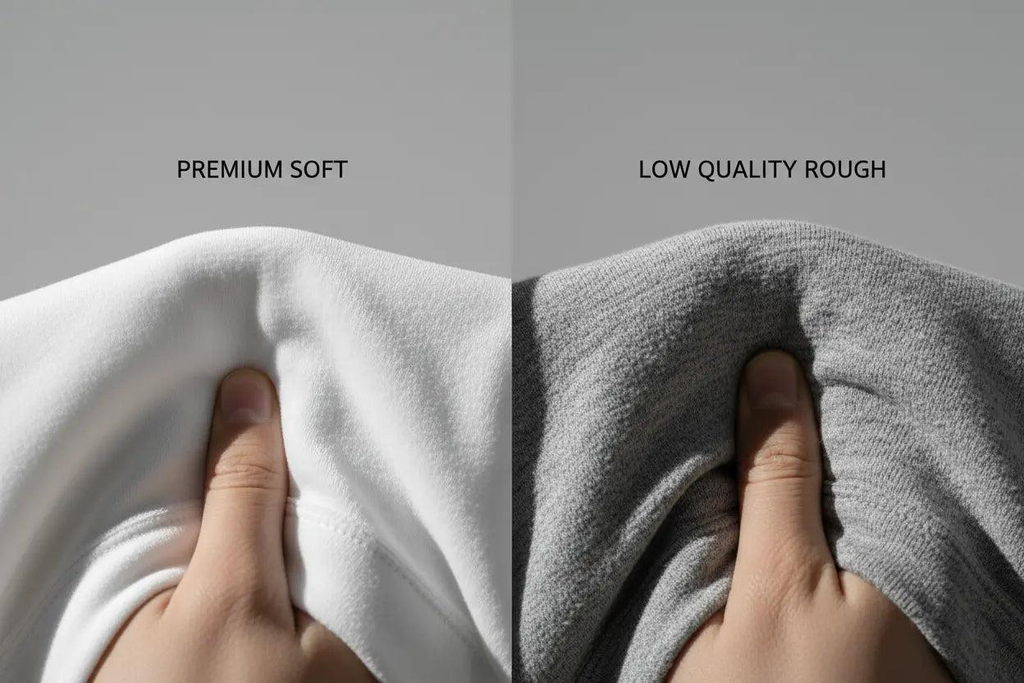
Affordable clothing can still offer good quality if you know what to look for. Check the stitching, fabric thickness, seams, buttons and overall finishing before making a purchase.
Natural fabrics such as cotton are often comfortable for everyday wear, particularly in warm weather. Blended fabrics can also offer durability, easy maintenance and better wrinkle resistance depending on their construction.
Understanding fabric quality helps you choose clothes that maintain their appearance after repeated washing.
6. Use Accessories to Elevate Your Outfit

Accessories
Looking stylish doesn’t always mean spending a fortune on clothes. A well-dressed person is not necessarily someone who owns expensive brands or follows every fashion trend. Instead, good style comes from choosing the right clothes, understanding how they fit, combining colours effectively, and making smart shopping decisions.
With a little planning and creativity, you can build a wardrobe that looks premium, feels comfortable, and suits your everyday lifestyle without putting unnecessary pressure on your budget.
Conclusion
Dressing smart is about making thoughtful choices rather than spending more money. By prioritising fit, investing in versatile essentials, selecting complementary colours, shopping carefully and maintaining your clothes, you can develop a stylish wardrobe that works for every occasion.
Remember, confidence is one of the most important elements of personal style. When your clothes fit well, reflect your personality and make you feel comfortable, you don’t need an expensive wardrobe to make a lasting impression.